Tropical Paradise Found: Exploring Earth’s Rainforests
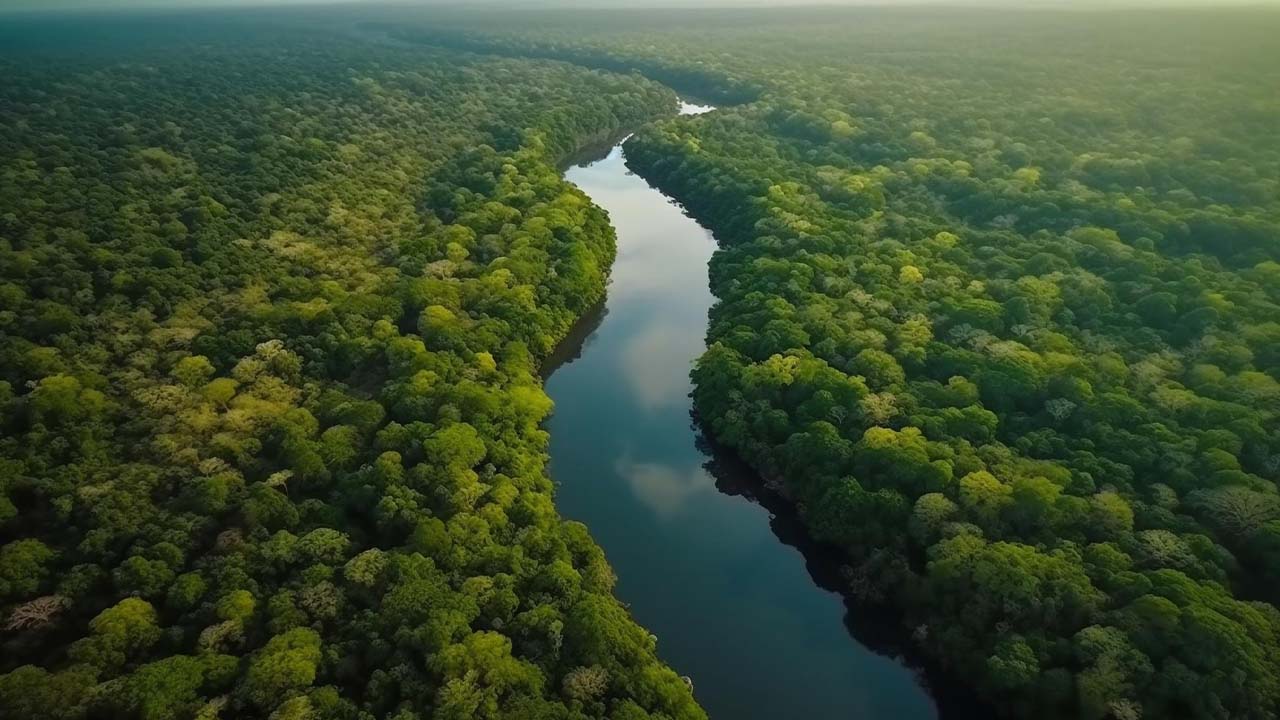
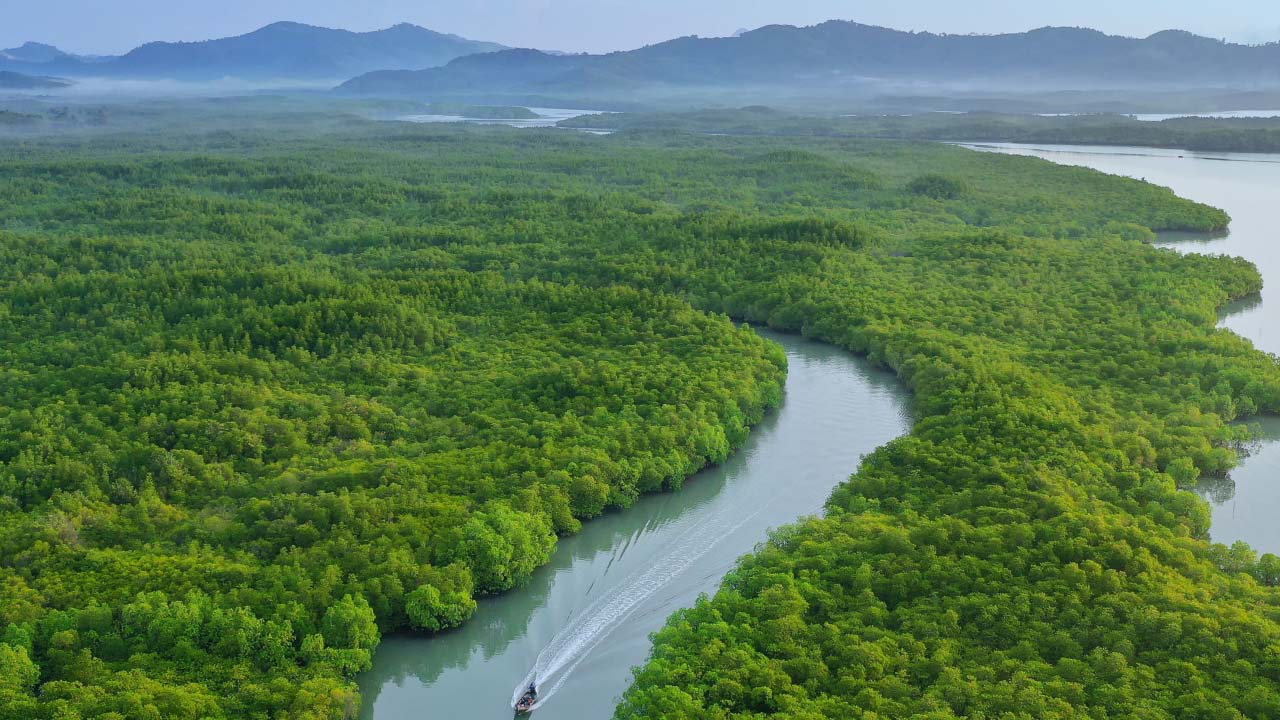
In a world where concrete jungles dominate our urban landscapes, there exists a realm of unparalleled natural wonder—Earth’s rainforests. These lush, biodiverse ecosystems are often referred to as the “lungs of the Earth” for their role in producing oxygen and capturing carbon dioxide. But they are so much more than that. They are a treasure trove of biodiversity, a source of countless medicinal plants, and a key player in regulating the planet’s climate. Join us as we embark on a journey into these tropical paradises, uncovering their secrets and understanding their importance for our planet.
The Green Heart of the Planet
Rainforests are the most biodiverse ecosystems on Earth, home to an astonishing variety of flora and fauna, from jaguars to toucans, orchids to giant ferns. These ecosystems serve as the ultimate refuge for countless species.
Climate Heroes
Beyond their remarkable biodiversity, rainforests play a critical role in regulating the Earth’s climate. Here’s why they are often called climate heroes:
- Carbon Absorption: Rainforests act as carbon sinks, absorbing vast amounts of carbon dioxide, which is crucial for mitigating climate change. This process helps prevent the excessive buildup of greenhouse gases in the atmosphere.
- Water Vapor Release: Through a process known as transpiration, rainforests release significant amounts of water vapor into the atmosphere. This water vapor forms clouds and influences regional weather patterns, contributing to the balance of the Earth’s climate systems.
Nature’s Pharmacy
Rainforests are not just biological wonders; they are also nature’s pharmacy. Indigenous peoples have known this for centuries, relying on the diverse plant life for medicinal purposes. Consider these key points:
- A Treasure Trove of Medicinal Plants: Rainforests are a treasure trove of medicinal plants, and indigenous communities have been discovering and using their healing properties for generations.
- The Origins of Modern Medicine: Many of the medicines we use today have their origins in rainforest plants. For example, quinine, used to treat malaria, and compounds from the Madagascar periwinkle, which have anti-cancer properties, are derived from rainforest flora.
Ecotourism and Conservation
Balancing rainforest conservation with sustainable economic development is a critical challenge. Here’s how ecotourism and conservation efforts come into play:
- Economic Opportunities: Ecotourism offers a way to generate income from rainforest regions while simultaneously promoting conservation. Responsible tourism can provide local communities with economic incentives to protect their natural heritage.
- Conservation Success Stories: Several organizations and governments have made significant progress in preserving rainforests. Initiatives such as the Amazon Rainforest Conservancy and the Borneo Orangutan Survival Foundation offer hope for the future.
As we explore Earth’s rainforests, we must remember that they are not just exotic vacation destinations but vital components of our planet’s health and well-being. From their incredible biodiversity to their role in climate regulation and their potential for life-saving medicines, rainforests are true treasures that deserve our protection and admiration. So, let’s cherish these tropical paradises and work together to ensure that future generations can continue to be awed by the wonders of Earth’s rainforests.